Garden Spaces & Outdoor Living

Welcome to layersindexworks, your editorial guide to creating practical, beautiful, and functional outdoor environments. We explore everything from modern garden studios and pergolas to layout ideas that help you make the most of your exterior spaces.

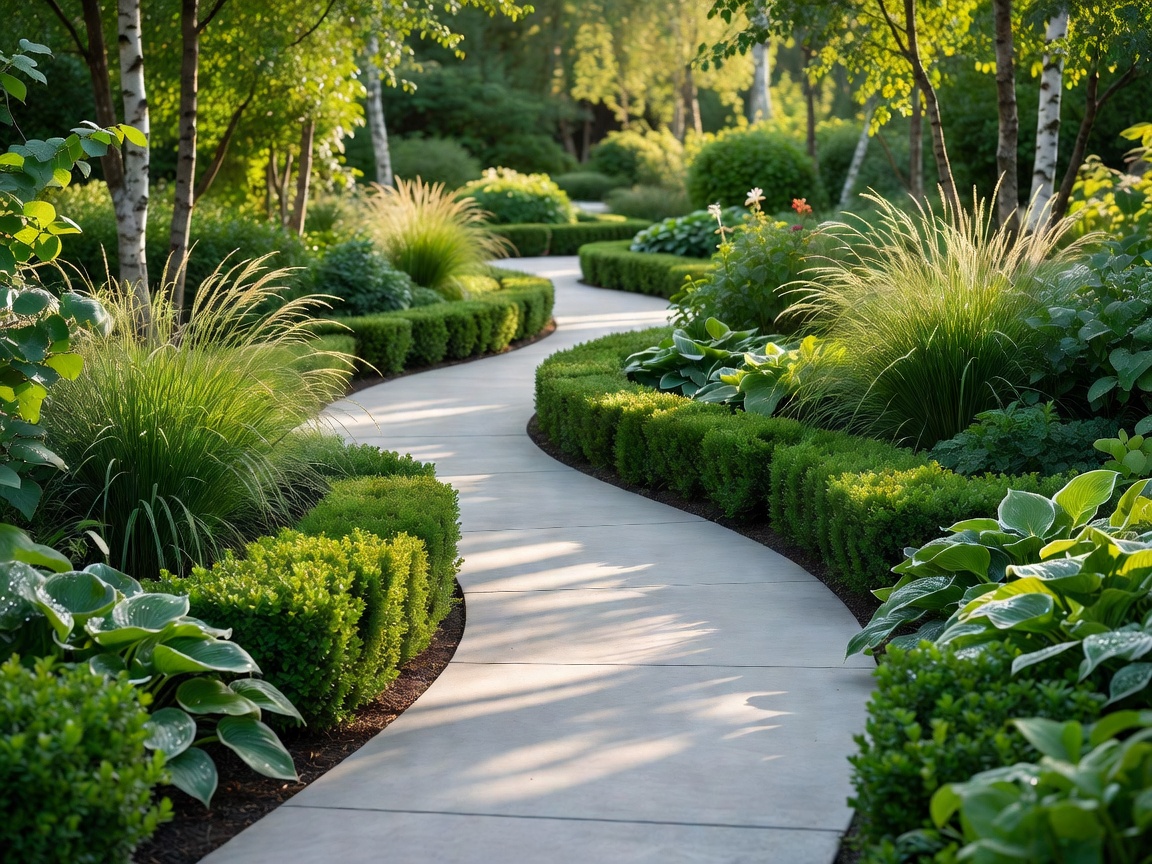
Beautifully landscaped modern garden path with lush green planting and natural sunlight

Garden Structures

Understanding the different types of structural additions available for your outdoor layout.

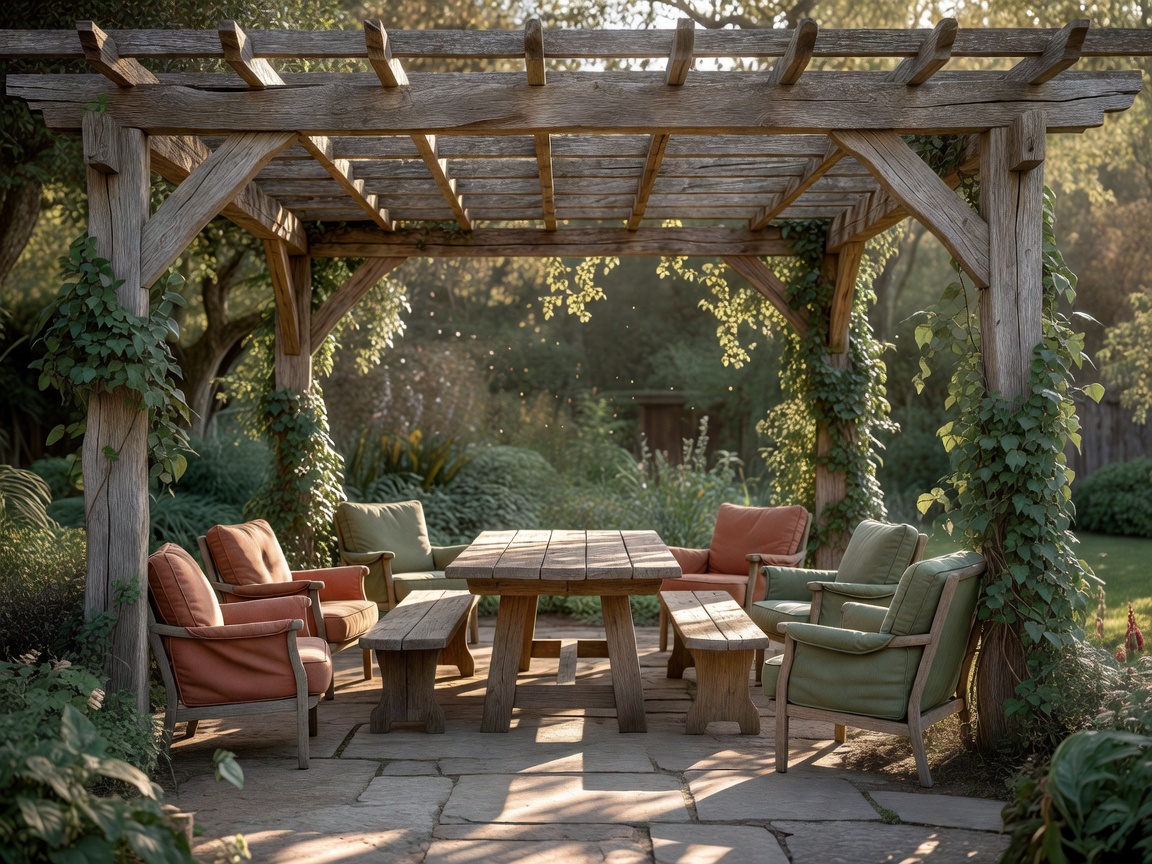
Wooden pergola providing dappled shade over an outdoor patio seating area
Structure Guide

Garden Projects

Open structures that provide dappled shade and architectural interest, ideal for training climbing plants.

Best For: Defining dining areas.

Note: Requires sturdy anchoring against wind.

Explore Garden Projects →
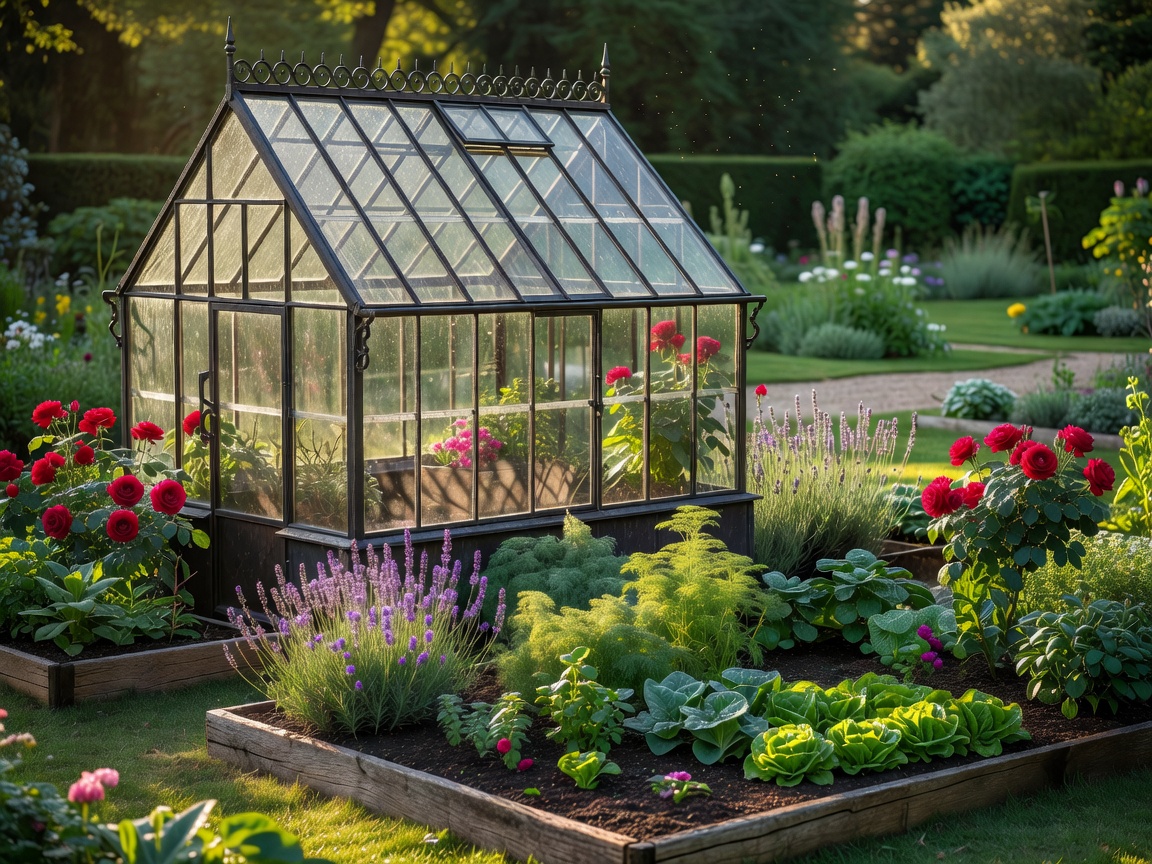
Classic glass and metal greenhouse surrounded by garden beds
Structure Guide

Garden Plants

Climate-controlled environments essential for starting seeds early and extending the growing season into autumn.

Best For: Dedicated gardeners.

Note: Ventilation is critical to prevent overheating.

Explore Garden Plants →
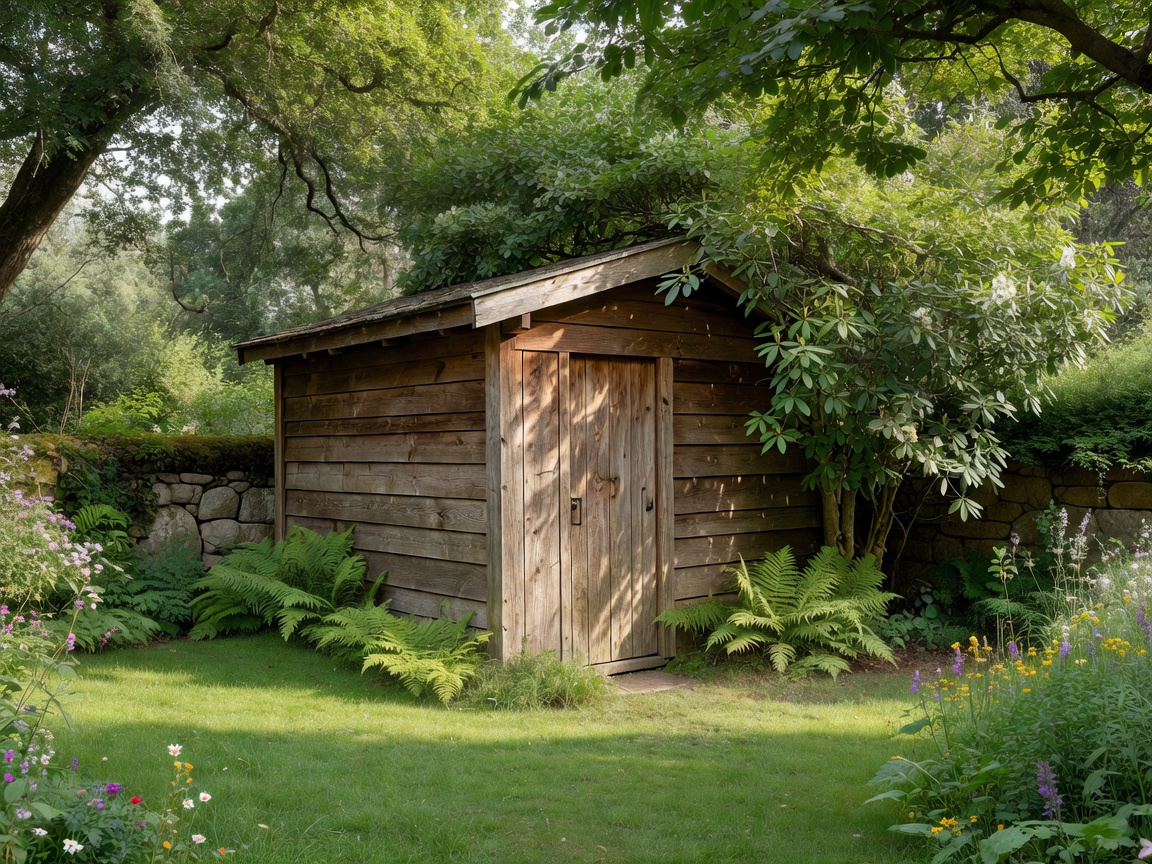
Practical timber storage building tucked neatly into a garden corner
Structure Guide

Storage Buildings

Practical enclosed spaces designed to keep tools, mowers, and seasonal furniture protected from the elements.

Best For: Organizing clutter.

Note: Choose locations with easy access paths.

Read Garden Maintenance Guide →

Outdoor Space Ideas

Practical approaches to defining areas within your garden landscape.

  • Relaxing Spaces

    Focus on privacy and comfort. Utilize existing natural shade from trees or add a light canopy. Position seating where there are pleasant sightlines across the garden, away from busy household areas.

  • Entertaining Areas

    Proximity to the kitchen is often preferred. Ensure the ground surface is solid and level for tables and chairs. Consider integrated lighting to extend the usability of the space into the evening.

  • Shaded Areas

    Not every garden benefits from full sun. Embrace shaded corners by selecting appropriate woodland planting and utilizing lighter colored paving materials to brighten the space naturally.

  • Garden Workspaces

    Whether a potting bench or a dedicated studio, workspaces require practical, hard-wearing surfaces and easy access to water or power. Keep these areas organized with modular storage.

Material Guide

Understanding the characteristics of common outdoor building materials.

Timber

Offers a classic, natural aesthetic. Requires regular treatment to prevent rot and weathering. Softwoods are accessible, while hardwoods offer greater longevity.

Metal

Aluminum and galvanized steel provide sleek, modern lines and high durability. They require very little maintenance but can become hot to the touch in direct sunlight.

Glass

Essential for greenhouses and modern studio glazing. Maximizes light transmission but requires regular cleaning and careful placement to avoid excessive solar gain.

Composite

A blend of wood fibers and plastics. Highly resistant to rot and fading. Offers the look of timber without the demanding maintenance schedule.

Stone

Used for bases, low walls, and paving. Extremely durable and offers a permanent, grounding aesthetic to any garden structure project.

Read Garden Materials Guide →

Small Garden Layouts

Maximizing utility in compact outdoor environments.

When working with limited square footage, flexibility is key. Opt for multi-purpose structures, such as seating that incorporates hidden storage. Utilize vertical planting areas against fences or walls to draw the eye upward without sacrificing ground space.

Keep garden paths narrow but clear, using cohesive materials to create a sense of flow rather than fragmentation. In compact spaces, choosing a unified color palette for hard landscaping prevents the area from feeling visually cluttered.

Read Small Garden Guide →

Small Garden Guide

Making the most of limited outdoor spaces through smart design.

  • Compact Garden Structures

    In limited outdoor areas, selecting appropriately scaled structures is essential. Corner summerhouses or narrow lean-to greenhouses maximize usable area without visually dominating the landscape.

  • Vertical Planting

    Draw the eye upward by utilizing vertical space. Trellises, living walls, and hanging planters attached to fences or boundaries allow for lush greenery without sacrificing valuable ground footprint.

  • Smart Storage

    Keep small gardens clutter-free with integrated storage solutions. Multi-purpose structures, such as built-in seating with hidden compartments beneath, offer practical ways to store tools, cushions, and seasonal items.

  • Practical Layout Ideas & Seating

    Create distinct zones even in compact environments. Use cohesive paving materials to define a primary seating area while keeping access paths narrow but clear. Maintaining a unified color palette for hard landscaping prevents the space from feeling visually cluttered.

Seasonal Preparation

General guidance for adapting your outdoor spaces throughout the year.

Spring

The time for structural checks. Inspect pergolas and sheds for winter wear. Clean glass surfaces on greenhouses to maximize early light. Plan any new hard landscaping before peak growing season.

Summer

Focus on shading and ventilation. Ensure seating areas have adequate cover from midday sun. Keep greenhouse vents clear and functioning to manage internal temperatures effectively.

Autumn

Preparation and clearing. Clean out gutters on garden studios. Treat timber structures with preservatives before the damp weather sets in. Store non-weatherproof furniture in outbuildings.

Winter

Planning and rest. Use this time to review the garden's layout while the foliage is sparse. Plan structural additions for the coming year. Ensure paths are clear of slippery organic matter.